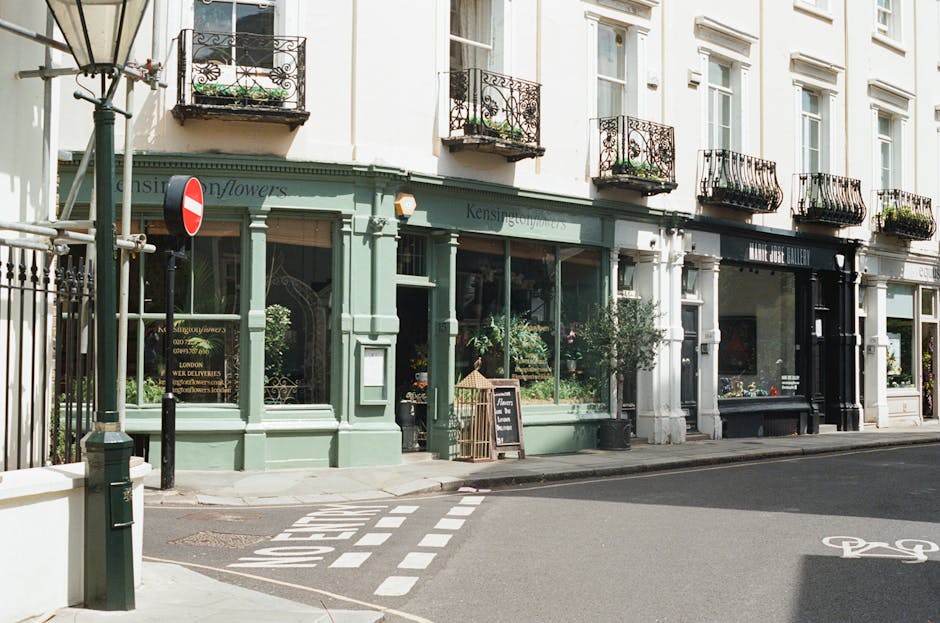
Same day emergency cleaning in Kensington and Earls Court
Posted on 10/06/2026
When a cleaning problem lands on your lap unexpectedly, the clock suddenly matters more than anything else. A burst pipe has left a damp trail through the hallway. A tenant has handed back keys with the kitchen in a state. Guests are due in a few hours and the place looks, frankly, like a small disaster zone. That is exactly when Same day emergency cleaning in Kensington and Earls Court becomes more than a convenience - it becomes the sensible next step.
This guide explains what urgent cleaning really means, how the process works, what to expect on the day, and how to avoid the common mistakes that make a stressful situation worse. It is written for real-life messes, not perfect homes. And let's face it, nobody plans to need this service.

Why Same day emergency cleaning in Kensington and Earls Court Matters
Urgent cleaning is about more than appearance. In Kensington and Earls Court, properties tend to move quickly between uses: rentals, short stays, office meetings, social events, end-of-tenancy handovers, and family homes that still need to function while life keeps happening. When a mess disrupts that flow, waiting until tomorrow can create bigger problems.
A spill can stain carpet fibres if it dries in. Food residue can draw odours into soft furnishings. A neglected bathroom can make a home feel unmanageable very fast. Even a modest issue can become awkward if visitors, landlords, estate agents, or clients are due. Same-day support helps you contain the damage before it spreads.
There is also a psychological side to it. A clean space makes decisions easier. You breathe differently in a room that has been reset. That sounds a bit obvious, perhaps, but if you have ever walked into a spotless hallway after a stressful morning, you know exactly what I mean.
For residents and businesses in this part of London, speed matters because timing matters. If you are preparing a property viewing, recovering after a party, clearing an accidental mess, or trying to keep an office presentable, an emergency response can save the day and reduce the knock-on stress. For broader context on property and local life, you may also find a local perspective on Kensington useful, especially if you are weighing how homes and commercial spaces are used in the area.
Expert summary: Same day emergency cleaning works best when it is treated as rapid damage control, not a general deep clean. The fastest results come from clear priorities, quick access, and a focused plan for the problem area.
How Same day emergency cleaning in Kensington and Earls Court Works
In practical terms, same-day emergency cleaning follows a simple pattern. You contact the provider, explain the situation clearly, and they decide whether the job can be handled immediately, later that day, or on a priority basis. The quality of the outcome often depends on the quality of the information you give at the start. A rushed but accurate description beats a long vague one every time.
Expect a short triage process. A good cleaner will want to know what happened, what surfaces are affected, whether there are any access issues, and whether any specialist cleaning is likely to be needed. For example, a wine spill on tile is straightforward; a wine spill on cream wool carpet is a different story altogether. Same problem, very different plan.
Once the job is confirmed, the team usually arrives with the supplies needed for fast containment and restoration. That might include disinfectants, microfibre cloths, extractors, deodorising products, protective gloves, and surface-safe detergents. The right kit matters, but so does judgement. Sometimes the smartest move is not to scrub harder, but to stop and choose a gentler method.
If the emergency is part of a wider property issue, such as a move-out, a post-event reset, or a broader house clean, it can be worth looking at the wider range of support in the services overview. That helps you match the cleaning plan to the actual problem instead of forcing everything into one category.
In busy areas like Kensington and Earls Court, access can be the real bottleneck. Managed buildings, tight parking, concierge arrangements, and narrow time windows can all affect response speed. A well-prepared provider will ask about entry instructions early, which sounds basic but saves a lot of faff later.
Key Benefits and Practical Advantages
The biggest advantage is obvious: speed. But there is more to it than that. Same-day emergency cleaning gives you control back when the situation feels messy and out of hand. That control has practical, financial, and emotional value.
- Damage limitation: Acting quickly can help prevent stains setting, odours spreading, or grime hardening into a harder-to-remove problem.
- Better presentation: If people are arriving soon, a clean environment helps the property look cared for, even if the mess happened only hours earlier.
- Reduced stress: You stop firefighting and move into problem-solving mode.
- More flexibility: Same-day support works well for sudden changes, not just major disasters.
- Useful for mixed-use properties: Homes, offices, short-let properties, and event venues can all benefit from a rapid turnaround.
There is also a subtle but important benefit: emergency cleaning can prevent rushed DIY mistakes. People often start with good intentions and a kitchen roll. Then they use too much water, the stain spreads, and suddenly the job gets bigger. We have all seen that movie, and honestly, it is never the good version.
For landlords and tenants, fast action can also help reduce friction at handover time. If an issue is handled quickly, the next conversation becomes easier. You are no longer debating what happened in the abstract; you are showing that action was taken.
If you are trying to avoid hidden extras while dealing with a tight deadline, it is sensible to read guidance on avoiding hidden cleaning charges before you book. Speed is useful, but clarity on scope and cost is just as important.
Who This Is For and When It Makes Sense
Not every messy situation needs emergency cleaning, but some clearly do. The service makes the most sense when time pressure, hygiene concerns, or property presentation are all in play at once.
Typical situations include:
- Tenants and landlords: last-minute end-of-tenancy issues, accidental damage, or post-checkout clean-ups.
- Homeowners: spills, odours, pet mess, bathroom issues, or visitors arriving unexpectedly.
- Office managers: spillages, washroom problems, kitchen incidents, or a workspace that needs to look presentable before a meeting.
- Event hosts: cleanup after gatherings, especially when the property needs to be back to normal the same day.
- Estate agents and sellers: last-minute property preparation before a viewing or photo appointment.
In Kensington and Earls Court, that mix of residential and commercial use is very common. A flat may need to look immaculate in the afternoon and then function as a lived-in home by evening. That sort of juggling act is exactly where urgent cleaning earns its keep.
There are moments when same-day cleaning is probably the wrong tool. If the issue is structural, electrical, or related to serious water ingress, you need the right tradesperson first. Cleaning can follow, but it should not be asked to solve something it cannot. That distinction matters, and it saves disappointment.
For people preparing a property move, the end of tenancy cleaning guidance can be helpful in understanding the level of finish often expected when a property must be handed over clean and ready.
Step-by-Step Guidance
If you want the clean to go smoothly, a little preparation makes a real difference. Same-day service is meant to be fast, but fast does not mean chaotic. A neat handover at the start often leads to a better result at the end.
- Identify the problem clearly. Say what happened, where it happened, and what the affected surfaces are. "Kitchen spill" is not enough; "grease spill on ceramic hob and surrounding units" is much better.
- Check the urgency. Is it a hygiene issue, a presentation issue, or both? That helps decide the priority and the right cleaning method.
- Prepare access details. Include floor number, entry codes, parking limits, concierge requirements, or any time restrictions. In London, access details can make or break the schedule.
- Move what you safely can. Clear small items, fragile bits, and clutter from the area. Don't overdo it; just make the cleaning zone reachable.
- Keep the area as undisturbed as possible. If a stain has been treated, avoid layering on more products. The temptation is strong, I know.
- Ask for the scope before work starts. Confirm which rooms or surfaces are included, how long the job is likely to take, and whether any specialist treatment may be required.
- Review the finish. When the cleaner is done, check the area promptly while the issue is fresh in your mind. That makes any touch-up easier.
One small but useful habit: keep a brief note of what happened, especially if the job is linked to a tenancy, insurance conversation, or building management query. Even a simple timestamp helps later.
Expert Tips for Better Results
A few practical habits can improve the outcome more than people expect. Emergency cleaning is not only about speed; it is about choosing the right response at the right moment.
- Do not saturate the area. Over-wetting carpets, upholstery, or wooden surfaces can make the situation worse, not better.
- Use blotting, not rubbing, for fresh spills. Rubbing tends to push the problem deeper into fibres.
- Separate odour issues from visible dirt. Sometimes something looks clean but still smells off. That often means the source needs deeper treatment.
- Be honest about the cause. A cleaner can work faster when they know if the mess is food, drink, pet-related, cosmetic, grease, or something else.
- Ask about material sensitivity. Wool, silk, natural stone, untreated wood, and some upholstery fabrics need careful handling.
To be fair, the best emergency cleans are usually a mix of common sense and calm decision-making. Not glamorous. Very effective.
If your problem involves soft furnishings, you may want to understand what can be done in one visit versus what may need follow-up. The upholstery cleaning service is relevant where sofas, chairs, or fabric surfaces need more than a quick surface wipe.
For floor coverings, the same logic applies. A large spill on carpet needs speed and the right product balance. You can read more about specialised approaches through carpet cleaning in Kensington, which is useful if you are dealing with staining, traffic marks, or lingering smells.
Common Mistakes to Avoid
Emergency situations trigger panic, and panic leads to shortcuts. Some are harmless. Others make the job more expensive or less effective. Here are the ones that come up most often.
- Waiting too long. Fresh messes are almost always easier to handle than dried-in ones.
- Using the wrong product. Strong cleaners can bleach, stain, or mark delicate materials.
- Skipping the access details. If a cleaner cannot get in quickly, the same-day promise starts to wobble.
- Assuming all emergency cleaning is the same. A bathroom sanitisation job and a post-party kitchen reset are not identical.
- Not clarifying the finish level. "Tidy" and "deep cleaned" are not the same thing, and nobody likes misunderstandings at the end.
- Forgetting follow-up needs. A very large spill may need drying time or a second pass.
One especially common mistake is treating emergency cleaning like a quick wipe-and-go service when the actual issue is broader. If there is damage spread across multiple surfaces, you need a plan. Not a heroic guess.
Another one? Not checking what parts of the property the cleaner will focus on first. If the priority is the kitchen, but the first thing they see is a hallway cluttered with bags, toys, and coats, time gets wasted. Small thing, big effect.
Tools, Resources and Recommendations
You do not need to own a cupboard full of specialist products to handle an emergency sensibly. In fact, overbuying the wrong tools is a bit of a trap. A short, well-chosen kit is usually better than a random collection of sprays you found in a rush.
Useful items for basic first response include:
- clean white cloths or microfibre cloths
- a small bucket of lukewarm water for cautious blotting
- disposable gloves
- paper towels for initial containment only
- a simple notebook or phone note for recording what happened
For more involved situations, a professional team may use extractors, specialist detergents, sanitising solutions, deodorising treatments, or surface-safe tools matched to the material. The right tool is not always the strongest one. Sometimes it is the gentlest one that gets the job done without collateral damage.
If you are comparing broader cleaning support after the immediate emergency has passed, the domestic cleaning and house cleaning pages can help you think about the difference between urgent containment and regular maintenance.
For clients or building managers dealing with shared spaces, office or mixed-use environments, office cleaning in Kensington is worth reviewing too, especially when the problem affects a work setting that must be reopened quickly.
Law, Compliance, Standards, or Best Practice
Emergency cleaning touches on hygiene, property care, and safe handling of chemicals, so good practice matters. While this article is not legal advice, there are sensible standards that reputable providers in the UK generally follow.
Look for clear communication around insurance, safety, product handling, and complaints. If a company is working in someone's home or business premises, it should take access, privacy, and safe working methods seriously. That includes being careful with detergents, respecting instructions for delicate surfaces, and avoiding unnecessary disruption.
For customer reassurance, it is also sensible to understand how booking terms work, how data is handled, and what to expect if something needs to be rescheduled. The relevant policy pages, such as terms and conditions, privacy policy, and insurance and safety information, are useful reading before booking any urgent job.
Where staff and procedures are concerned, the health and safety policy and the company's commitment to responsible practice can tell you a lot about how seriously the service is run. It is not about box-ticking. It is about trust, really.
For payment confidence, you may also want to review payment and security information and the relevant pricing and quotes guidance so there are no awkward surprises once the job is underway.
Options, Methods, or Comparison Table
Not every urgent mess needs the same response. Choosing the right route depends on urgency, surface type, and how visible the issue is.
| Approach | Best for | Strengths | Limitations |
|---|---|---|---|
| Quick response cleaning | Fresh spills, visible mess, same-day presentation issues | Fast, focused, practical | May not solve deep staining or odour by itself |
| Deep clean | Built-up grime, neglected rooms, broader resets | More thorough, better for hidden dirt | Usually takes longer and may not suit same-day deadlines |
| Specialist treatment | Carpet stains, upholstery marks, stubborn odours | Material-specific, more targeted | May require assessment or follow-up drying time |
| General domestic clean | Routine maintenance after a smaller incident | Good for resetting lived-in spaces | Not designed for major emergency situations |
If your problem started at an event, after a dinner party, or during a busy gathering, context matters too. A post-event reset tends to need faster surface work, bin handling, kitchen attention, and sometimes soft-furnishing care. That is why reading about event cleaning expertise in Kensington can be helpful, even if your own event was much less grand than the Royal Albert Hall. Most are, to be fair.
Case Study or Real-World Example
A realistic example: a family in Earls Court had guests arriving the same evening, and a sudden kitchen spill left the hob area greasy, the floor sticky, and a smell hanging in the air. They had already tried a quick wipe, which helped a bit but not enough. The pressure was on because the living room flowed straight from the kitchen, so the whole flat felt affected.
The first useful step was not scrubbing harder. It was identifying the surfaces correctly: sealed worktop, tiled splashback, laminate floor, and a fabric dining chair that had caught a small splash. That meant each area needed a different approach. The hob needed degreasing, the floor needed careful cleaning without over-wetting, and the chair needed spot treatment rather than a soak.
By focusing on the visible priority areas first, the space looked presentable quickly. The lingering work, like odour reduction and checking the chair, could then be finished without panic. The family still had a bit of a scramble before the guests arrived - of course they did - but the property was back to a comfortable, clean state.
What made the difference was not a miracle product. It was calm sequencing, the right cloths, and a plan that matched the actual mess. That is usually how these jobs are won.
Practical Checklist
Use this checklist before the cleaner arrives or while you are deciding whether to book:
- Identify the exact problem area.
- Take quick photos if you may need a record later.
- Check if the issue is fresh, dried, or spreading.
- Make the property accessible.
- Move fragile or personal items away from the cleaning zone.
- Share any material concerns, like wool carpet or delicate upholstery.
- Confirm the time window and any building access rules.
- Ask what is included in the same-day visit.
- Clarify whether drying time or follow-up is expected.
- Review payment, terms, and any policy details before work begins.
Quick rule of thumb: if the mess is visible, time-sensitive, or likely to offend the nose as much as the eye, same-day help is usually worth considering.
Conclusion
Same day emergency cleaning in Kensington and Earls Court is really about restoring order quickly and intelligently. The best results come from acting early, explaining the problem clearly, and choosing a response that fits the surface, the timing, and the property itself. It is not just about getting things clean. It is about getting life back on track without making a small problem into a bigger one.
Whether you are dealing with a spill, a last-minute handover, a post-event mess, or an office that needs to look presentable fast, a calm and well-planned approach makes all the difference. And once the immediate chaos has passed, you can always step back, make a proper cup of tea, and enjoy that satisfying silence when the room finally feels right again.
If you want the fastest route to a clean, safe, and presentable space, the sensible next step is to get the details together and ask for a prompt assessment.
Get a free quote today and see how much you can save.